01/3D Structure
? About the 3D Viewer
Mol* (pronounced "molstar") is an open-source molecular visualization tool used by the Protein Data Bank and AlphaFold Database. Learn more at molstar.org.
Controls:
- Rotate: Click and drag
- Zoom: Scroll wheel or pinch
- Pan: Right-click and drag (or two-finger drag)
- Reset: Double-click to reset view
What am I looking at?
This is a predicted 3D structure of the protein. The ribbon diagram shows the protein backbone—helices appear as coils, sheets as arrows, and loops as simple lines. The shape determines how the protein functions: where it binds to other molecules, how it catalyzes reactions, and how mutations might disrupt its activity.
Color legend:
The structure is colored by pLDDT confidence score, which indicates how confident AlphaFold is in each region's predicted position:
- Blue (>90): Very high confidence
- Cyan (70-90): Confident
- Yellow (50-70): Low confidence
- Orange (<50): Very low confidence, likely disordered
02/AI Analysis
TLDR
PSEN1 is a core component of gamma-secretase, the enzyme that cuts amyloid precursor protein to produce amyloid-beta peptides that accumulate in Alzheimer's disease. The A246E mutation, classified as pathogenic and extraordinarily rare (seen in only 1 in 1.4 million chromosomes), was analyzed using AI-based structure prediction, revealing moderate confidence (67.3% average) that suggests structural uncertainty in key regions. This mutation likely disrupts gamma-secretase function, leading to increased production of toxic longer amyloid-beta peptides that drive early-onset familial Alzheimer's disease.
Detailed Analysis
Works Cited
Similar Research
03/Research Data
ClinVar Classification
Review: criteria provided, multiple submitters
Last evaluated: 2026-01-01
Population Frequency
6.84e-07
Extremely rare (<0.01%)
AC: 1 / AN: 1461208
Disease Associations
3775 totalShowing 5 of 3775 associations
AI Research Brief
04/AlphaFold Metrics

05/Domain Annotations
Structural Domains & Regions
Functional Sites
Binding Partners
Gene Ontology
06/Structural Caption
PSEN1 A246E variant shows moderate confidence (67.3 pLDDT) with pathogenic charge substitution potentially disrupting catalytic domain architecture in this Alzheimer's-associated mutation.
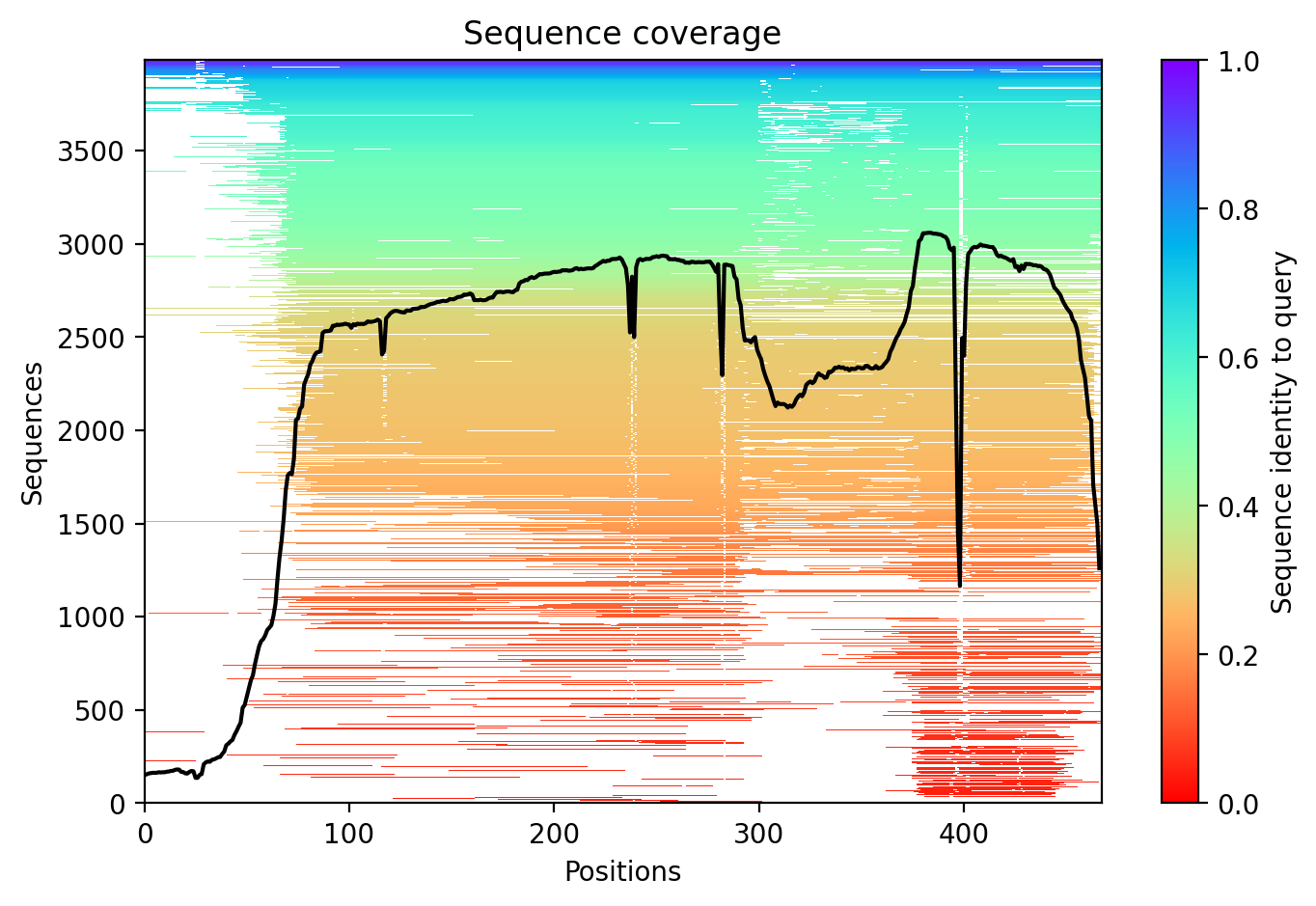
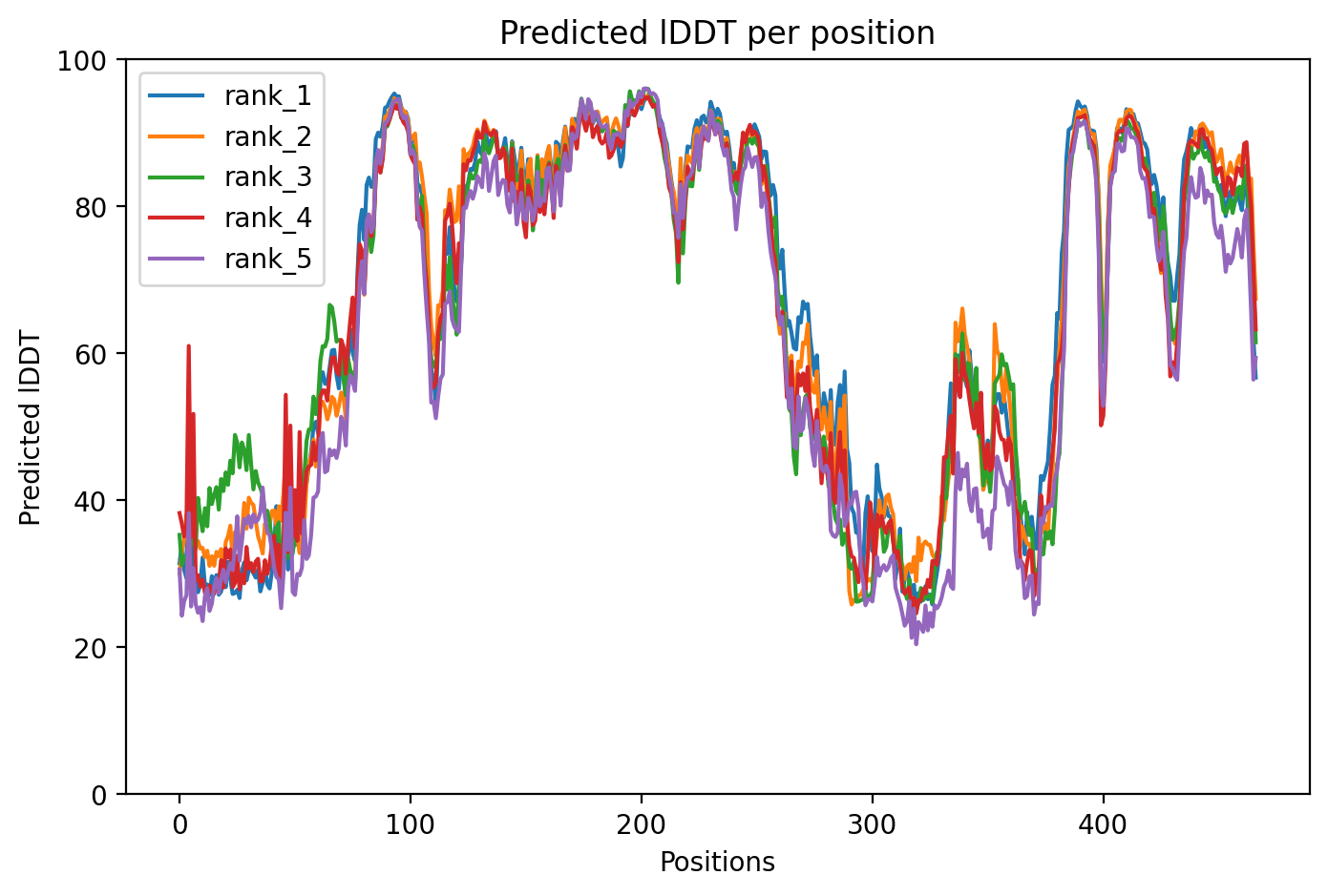
Average pLDDT of 67.3 with 54% high-confidence residues indicates moderate overall prediction quality. Known disordered regions (13-68, 305-333) and terminal segments show expected low confidence, while core functional domains display variable stability.
Critical catalytic residues (288-290, 377-381, 432-434) fall within regions of mixed confidence. The CTNNB1 interaction domain (322-450) spans both disordered (305-333) and structured regions, suggesting partial order upon binding. CTNND2 binding site (372-399) overlaps with catalytic residues, indicating a structurally complex regulatory region.
The A246E mutation introduces a charged glutamate in place of hydrophobic alanine, likely disrupting local packing and potentially destabilizing adjacent structural elements. This pathogenic variant associated with early-onset Alzheimer's disease may alter substrate recognition or catalytic geometry in the gamma-secretase complex.
07/Peptide Therapeutics
Aggregation Analysis
Aggregation propensity analysis identifies 1 hotspots (average score: 0.17) using Pawar+KyteDoolittle+charge algorithm.
08/Known Inhibitors
Known Binders from ChEMBL
09/Candidate Peptides
De Novo Peptide Design Pipeline
Pipeline: BoltzGen (de novo binder design) → Boltz-2 rescore → 8-gate wetlab filter → PK + BBB advisory gates. Target site selected from UniProt curated annotations, P2Rank pocket prediction, and aggregation propensity (in that priority order). Advisory gates annotate each candidate with estimated serum half-life, renal/immunogenicity risk, and (for CNS targets) a recommended blood-brain-barrier shuttle conjugation — without silently dropping designs.
Loading candidate statistics...
Sequences are withheld pending IP review. Full candidate data (sequences,
scores, CIF files) is available to authorized reviewers via the
/api/private/candidates/{fold_id} endpoint with
X-Private-Key.
Legacy candidates (charge-complementary)
Target Region
Residues 173–177 (0.75 aggregation score)Candidate ID
CP-PSEN1-001
(7 residues · computational design)
10/Agent Findings
Literature Agent (1)
None of the papers specifically investigate the PSEN1 A246E variant. While these papers provide valuable general insights into PSEN1 pathogenic mechanisms, biomarker trajectories, and functional consequences of various PSEN1 mutations in familial Alzheimer's disease, they do not contain data directly relevant to understanding the specific A246E variant's pathogenicity or clinical characteristics.
Clinical Agent (1)
The A246E mutation in PSEN1 causes autosomal dominant early-onset Alzheimer's disease by altering presenilin-1 function, which leads to increased production of toxic amyloid-beta 42 peptide. Establishing first baseline data collection for carriers of this mutation is clinically critical for documenting initial cognitive function, biomarker levels (including CSF Aβ42/40 ratio and tau proteins), and neuroimaging findings before symptom onset, typically occurring in the fourth or fifth decade of life. This baseline enables tracking of disease progression, evaluation of potential therapeutic interventions, and may help identify presymptomatic carriers in at-risk families who could benefit from early monitoring or clinical trial enrollment.
Structural Agent (1)
AlphaFold structure update: Baseline check: 7 structure(s) found
Supplements Agent (1)
The research landscape for PSEN1 A246E shows minimal therapeutic development focused on supplements or peptides. The identified trials are observational cohort studies (DIAN, Chinese FAD networks) that characterize familial Alzheimer's disease but do not test interventions. Only one preprint explores a traditional herbal supplement for cognitive enhancement broadly in neurodegeneration, without specific focus on this PSEN1 variant.
Synthesis Agent (1)
Synthesis of 5 findings (clinical, literature, peptides, structural, supplements): The PSEN1 A246E variant represents a pathogenic mutation causing autosomal dominant early-onset Alzh...
Peptide Agent (1)
PSEN1 A246E: 10 known binders (top: 0.1 nM); 1 candidate peptides designed