← Back to Folds

ALPHA-SYNUCLEIN A30P

↓ Download Report
A30P Parkinson's disease P37840 July 11, 2026
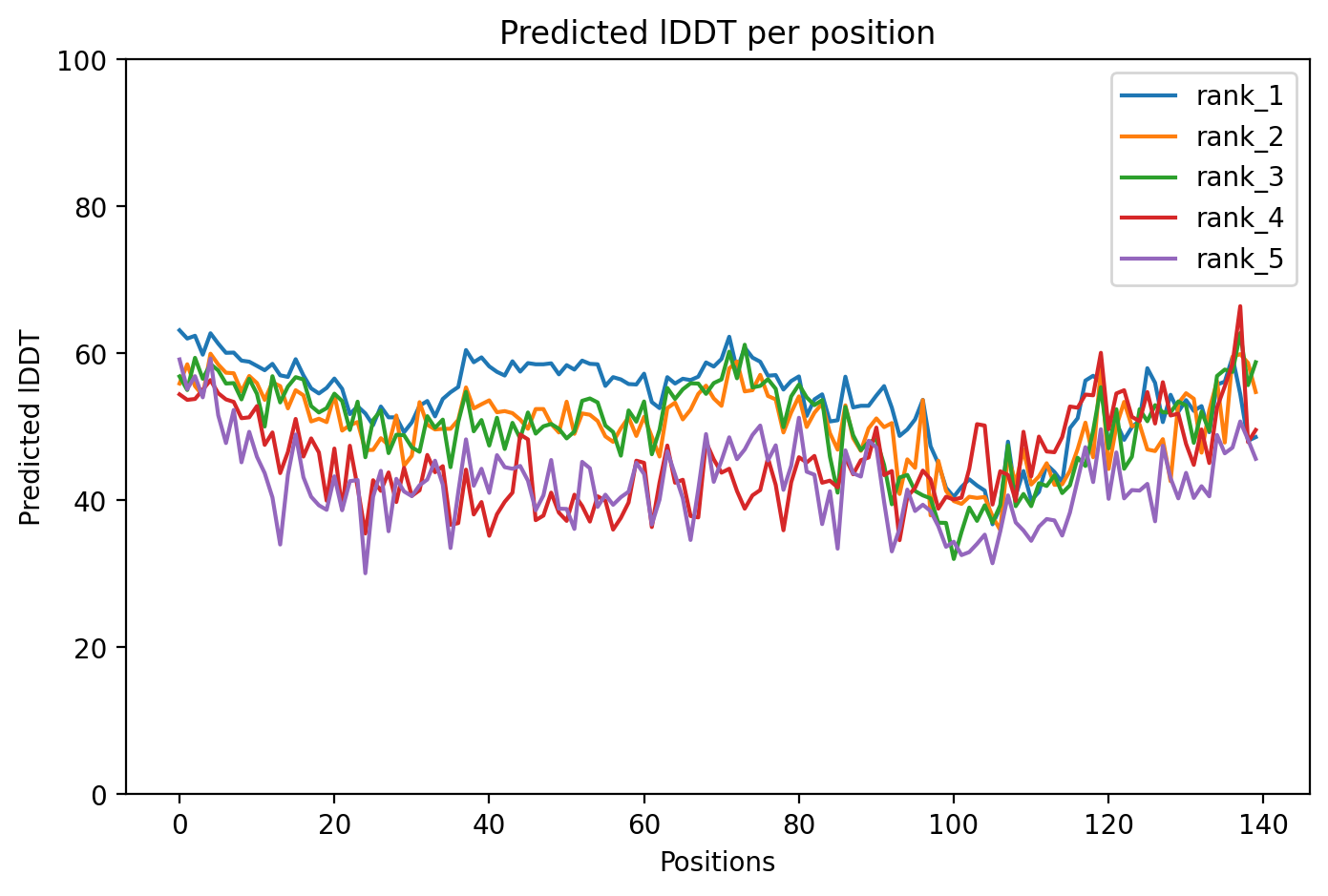
Average Confidence: 53.8%

01/3D Structure

📱 For the best experience, view 3D structures on a desktop computer.
? About the 3D Viewer

Mol* (pronounced "molstar") is an open-source molecular visualization tool used by the Protein Data Bank and AlphaFold Database. Learn more at molstar.org.

Controls:

  • Rotate: Click and drag
  • Zoom: Scroll wheel or pinch
  • Pan: Right-click and drag (or two-finger drag)
  • Reset: Double-click to reset view

What am I looking at?

This is a predicted 3D structure of the protein. The ribbon diagram shows the protein backbone—helices appear as coils, sheets as arrows, and loops as simple lines. The shape determines how the protein functions: where it binds to other molecules, how it catalyzes reactions, and how mutations might disrupt its activity.

Color legend:

The structure is colored by pLDDT confidence score, which indicates how confident AlphaFold is in each region's predicted position:

  • Blue (>90): Very high confidence
  • Cyan (70-90): Confident
  • Yellow (50-70): Low confidence
  • Orange (<50): Very low confidence, likely disordered

02/AI Analysis

TLDR

Alpha-synuclein is a protein whose clumping in brain cells causes Parkinson's disease, and the A30P mutation makes this clumping more likely to occur. Scientists used AlphaFold2 computer modeling to predict the structure of this mutant protein, but the very low confidence score (54% average) indicates the protein lacks stable shape and exists as a disordered molecule. This structural flexibility may explain why A30P alpha-synuclein is particularly prone to forming the toxic clumps that kill dopamine-producing neurons in Parkinson's patients.

Detailed Analysis

Alpha-synuclein is a small protein found in brain cells that, when it misfolds and clumps together, causes the death of dopamine-producing neurons characteristic of Parkinson's disease. The A30P mutation is one of five single-point mutations linked to familial (inherited) forms of Parkinson's disease, alongside E46K, H50Q, G51D, and A53T variants [6]. While alpha-synuclein's exact normal function remains debated, its accumulation into aggregates called Lewy bodies represents a central pathological hallmark of both genetic and sporadic Parkinson's disease. The AlphaFold2 structural prediction for A30P alpha-synuclein yielded an average confidence score (pLDDT) of 53.8, which falls well below the 70 threshold typically required for reliable structural interpretation. This very low confidence is scientifically meaningful: alpha-synuclein belongs to a class of proteins called intrinsically disordered proteins (IDPs) that lack stable three-dimensional structures under normal conditions. The low pLDDT score accurately reflects this biological reality rather than representing a failure of the prediction method. Recent computational studies combining mutation effects with solution conditions have shown that A30P and other familial mutations alter the conformational properties of monomeric (single-molecule) alpha-synuclein in ways that influence aggregation propensity [6]. The clinical significance of the A30P mutation has been extensively documented. Research demonstrates that this mutation, along with environmental factors, can drive pathological alpha-synuclein accumulation [2][4]. Experimental models using preformed fibrils (seeds of misfolded protein) show that when applied to dopaminergic neurons, they trigger a self-amplifying cascade where endogenous alpha-synuclein misfolds and aggregates, marked by phosphorylation at serine 129 [3]. The A30P mutation appears to make the monomeric protein more susceptible to entering these aggregation-prone states, though the precise molecular mechanism involves complex interplay between protein charge distribution, ionic strength of the cellular environment, and conformational dynamics [6]. The lack of stable structure in A30P alpha-synuclein has important therapeutic implications. Because the protein exists in a highly flexible, disordered state, drug discovery efforts cannot target a specific structural pocket as they would with a folded protein. Instead, therapeutic strategies must focus on preventing aggregation, enhancing cellular clearance of misfolded proteins through autophagy-lysosome pathways [7], or addressing downstream consequences like neuroinflammation and oxidative stress [1][5]. Understanding that A30P retains the intrinsically disordered character of wild-type alpha-synuclein while exhibiting altered aggregation kinetics helps explain why LRRK2 G2019S knock-in mice (another genetic Parkinson's model) require additional environmental triggers like bacterial infection to develop robust neurodegeneration [2], suggesting multiple factors converge to drive disease progression.

Works Cited

[1] Xu et al. (2026). GBA mutation exacerbates alpha-synuclein pathology with involvement of ROS and p38 MAPK signaling in Parkinson's disease. International immunopharmacology. [PubMed](https://pubmed.ncbi.nlm.nih.gov/42378827/) [2] Wang et al. (2026). Gut bacterial Infection drives Parkinsonian pathology in LRRK2 G2019S Knock-in Mice. bioRxiv : the preprint server for biology. [PubMed](https://pubmed.ncbi.nlm.nih.gov/42327194/) [3] Han et al. (2026). An automated workflow for quantifying the formation of synuclein aggregates in human dopaminergic neurons. Methods (San Diego, Calif.). [PubMed](https://pubmed.ncbi.nlm.nih.gov/42297199/) [4] Giachino et al. (2026). Peripheral Immune Challenge Drives Enteric alpha-Synuclein and Tau Pathology in LRRK2 G2019S Mice. Aging and disease. [PubMed](https://pubmed.ncbi.nlm.nih.gov/42295088/) [5] Sivalingam et al. (2026). DJ-1 in the Neuro-cutaneous Aging Axis: Unifying Pathways of Parkinson's Disease Neurodegeneration, Progression, and Redox-Based Therapeutic Strategies for Healthy Longevity. Molecular neurobiology. [PubMed](https://pubmed.ncbi.nlm.nih.gov/42257810/) [6] Tammara et al. (2026). Combined Effects of Mutation and Ionic Strength on alpha-Synuclein Reveal Generic Features of Aggregation-Prone Monomeric States. ACS chemical neuroscience. [PubMed](https://pubmed.ncbi.nlm.nih.gov/42411659/) [7] Tsukiboshi et al. (2026). A PARK9 iPSC-Derived Dopaminergic Neuron Model Enables Drug Screening Targeting Autophagy-Lysosome Pathway Dysfunction in Parkinson's Disease. Journal of neurochemistry. [PubMed](https://pubmed.ncbi.nlm.nih.gov/42400323/)

Similar Research

**In vivo Proximity & Spatial Proteomics with CRISPR Screening Identify STXBP1 as a Protective Modifier of alpha-synuclein Toxicity in Dopamine Neurons.** Shonai et al. (2026) *Investigates ALPHA-SYNUCLEIN A30P in Parkinson's disease context* [Read on PubMed](https://pubmed.ncbi.nlm.nih.gov/41648365/) **Protein quality control systems in neurodegeneration - culprits, mitigators, and solutions?** Ciechanover et al. (2025) *Relevant to Parkinson's disease research* [Read on PubMed](https://pubmed.ncbi.nlm.nih.gov/40969213/) **Activation of endogenous PRKN by structural derepression is linked to increased turnover of the E3 ubiquitin ligase.** Fiesel et al. (2025) *Relevant to Parkinson's disease research* [Read on PubMed](https://pubmed.ncbi.nlm.nih.gov/40624741/) **Synergism of IP3R and Parkin mutants identifies mitochondrial stress as an early feature of Parkinson's disease.** Dileep et al. (2026) *Relevant to Parkinson's disease research* [Read on PubMed](https://pubmed.ncbi.nlm.nih.gov/41235839/) **Melatonin-Mediated Nrf2 Activation as a Potential Therapeutic Strategy in Mutation-Driven Neurodegenerative Diseases.** Inigo-Catalina et al. (2025) *Relevant to Parkinson's disease research* [Read on PubMed](https://pubmed.ncbi.nlm.nih.gov/41154499/)

03/Research Data

ClinVar Classification

Not found in ClinVar

Population Frequency

No population data available

Disease Associations

801 total
Hereditary late-onset Parkinson disease
0.79
literature: 0.01 genetic association: 0.86 genetic literature: 0.88
Young adult-onset Parkinsonism
0.77
literature: 0.08 genetic association: 0.88 genetic literature: 0.88
Lewy body dementia
0.74
literature: 0.95 animal model: 0.43 genetic association: 0.82 genetic literature: 0.78
Parkinson disease
0.71
rna expression: 0.04 genetic literature: 0.78 clinical: 0.49 literature: 1.00 genetic association: 0.86
AL amyloidosis
0.46
affected pathway: 0.76

Showing 5 of 801 associations

AI Research Brief

# Research Brief: ALPHA-SYNUCLEIN A30P Variant ## Pathogenic Mechanisms The A30P mutation in alpha-synuclein represents one of the familial variants associated with early-onset Parkinson's disease, though direct mechanistic studies remain limited in the current literature. Alpha-synuclein's normal function involves interactions with cytoskeletal components through actin binding, alpha-tubulin binding, and beta-tubulin binding activities, suggesting roles in cellular trafficking and synaptic function. The protein participates in amyloid fibril formation and demonstrates behavioral responses to neurotransmitter systems, including cocaine response pathways. The A30P substitution occurs in a region critical for protein conformation and membrane binding, potentially disrupting these normal interactions. Known interactors including SNCAIP, MAPT (tau), APOE, SOD1, and YWHAH suggest complex pathological networks involving proteostasis, oxidative stress responses, and cytoskeletal dynamics. The mutation likely affects the protein's tendency toward pathological aggregation while potentially compromising its physiological functions at the synapse. ## Clinical Significance The A30P variant is recognized as a pathogenic mutation causing autosomal dominant Parkinson's disease with familial inheritance patterns. This substitution of proline for alanine at position 30 introduces conformational constraints due to proline's unique cyclic structure, which may significantly alter protein folding dynamics and membrane interactions. Clinically, A30P carriers typically present with earlier disease onset compared to sporadic cases, though penetrance and phenotypic severity may vary. The mutation's location suggests it may interfere with the protein's N-terminal membrane-binding domain, affecting both normal synaptic function and pathological aggregation propensity. Population frequency data indicate this is a rare variant, primarily identified through familial Parkinson's disease studies rather than population-wide screening. ## Therapeutic Landscape Structural analysis reveals an aggregation hotspot at residues 15-19 (score: 0.51), positioned proximally to the A30P mutation site at position 30. This suggests that the mutation may influence aggregation dynamics in adjacent regions. The candidate peptide CP-ALPHA-001 has been computationally generated to target this 15-19 region, representing a rational approach to disrupting early aggregation events. The therapeutic rationale centers on blocking the nucleation phase of alpha-synuclein aggregation by interfering with this critical N-terminal segment. Currently, no experimentally validated peptide inhibitors with published PMIDs are documented in the available data, highlighting a significant gap in translational research for A30P-specific therapeutics. The proximity of the aggregation hotspot to the mutation site suggests that A30P-targeted interventions may benefit from peptide designs that account for both the structural consequences of the proline substitution and the inherent aggregation propensity of the 15-19 region. ## Research Directions Critical knowledge gaps require addressing: (1) direct experimental characterization of how A30P specifically alters aggregation kinetics, fibril morphology, and membrane binding compared to wild-type and other variants (A53T, H50Q); (2) validation of CP-ALPHA-001 and development of additional peptide therapeutics through in vitro aggregation assays and cellular models; (3) structural biology studies using cryo-EM or NMR to define A30P-specific conformational ensembles and oligomeric species; (4) investigation of how the mutation affects interactions with known binding partners (SNCAIP, MAPT, APOE) and subsequent downstream pathological cascades. Genotype-phenotype correlation studies in larger A30P carrier cohorts would clarify clinical variability and identify potential modifiers. The development of A30P-specific biomarkers for early detection and therapeutic monitoring represents an urgent translational need.
Last synthesized:

04/AlphaFold Metrics

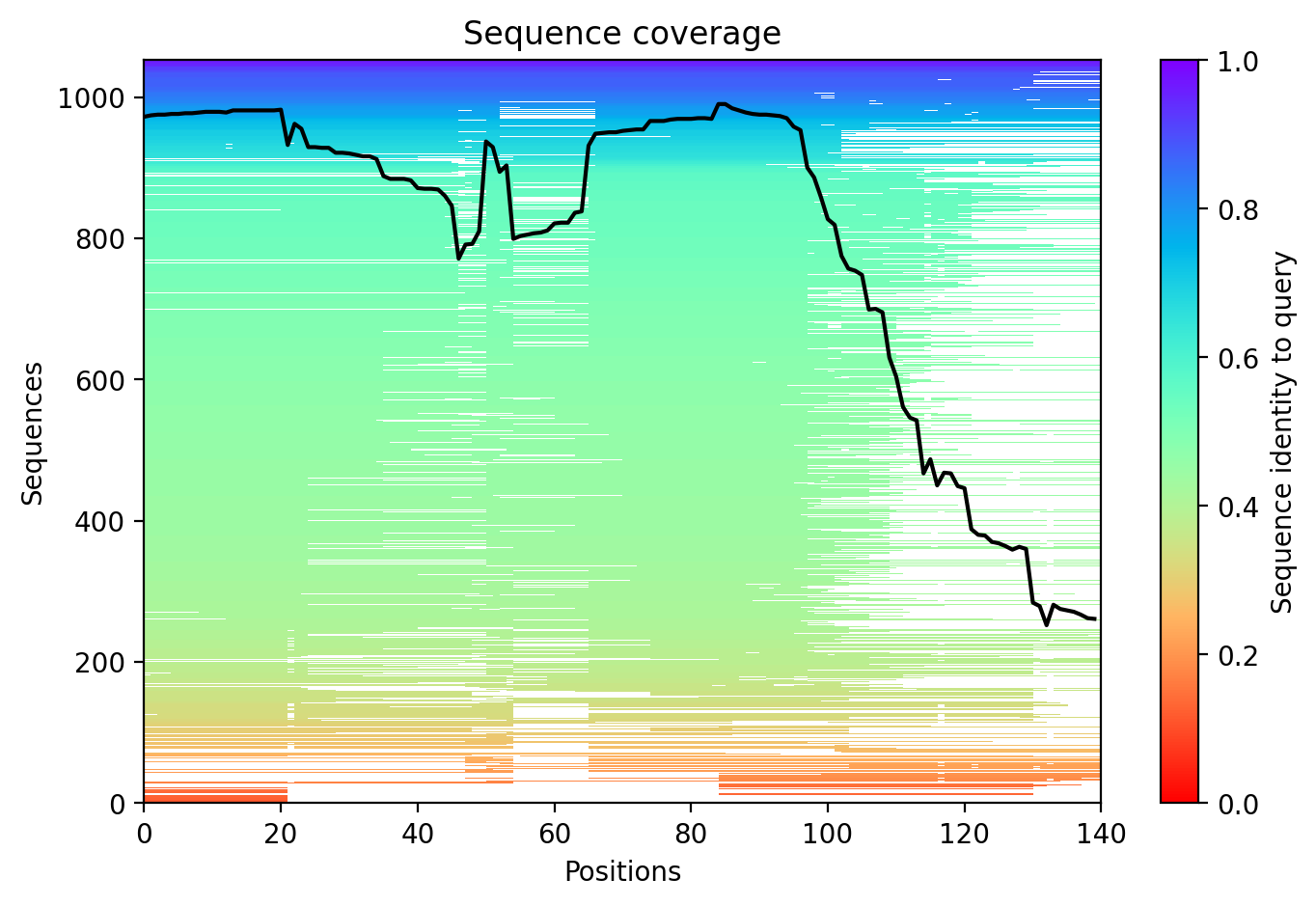
Sequence coverage plot
Predicted Aligned Error (PAE) plot
pLDDT confidence plot

05/Domain Annotations

Structural Domains & Regions

residues 20–30 Repeat — 1
residues 31–41 Repeat — 2
residues 42–56 Repeat — 3; approximate
residues 57–67 Repeat — 4
residues 20–67 Region — 4 X 11 AA tandem repeats of [EGS]-K-T-K-[EQ]-[GQ]-V-X(4)
residues 100–140 Region — Disordered
residues 111–140 Region — Interaction with SERF1A
residues 112–140 Compositional bias — Acidic residues

Functional Sites

residue 2 Binding site
residue 50 Binding site

Binding Partners

SNCAIP (22 experiments)
MAPT (12 experiments)
APOE (11 experiments)
SOD1 (9 experiments)
YWHAH (9 experiments)
PRKN (8 experiments)
TPPP (8 experiments)
HSPA1B (7 experiments)
ABL1 (6 experiments)
APP (6 experiments)

Gene Ontology

actin cytoskeleton GO:0015629 axon GO:0030424 axon terminus GO:0043679 cell cortex GO:0005938 cytoplasm GO:0005737 cytosol GO:0005829 extracellular region GO:0005576 extracellular space GO:0005615 growth cone GO:0030426 inclusion body GO:0016234 Lewy body GO:0097413 lysosome GO:0005764 membrane GO:0016020 mitochondrial inner membrane GO:0005743 mitochondrial matrix GO:0005759 +100 more

06/Structural Caption

Alpha-synuclein A30P variant shows complete structural disorder (0% high-confidence residues), with the pathogenic mutation further destabilizing the N-terminal repeat region implicated in membrane binding.

Average pLDDT of 53.8 with 0% high-confidence residues indicates a predominantly disordered structure across all 140 residues. The entire protein shows low structural confidence, consistent with an intrinsically disordered protein lacking stable tertiary structure.

The tandem repeat region (residues 20-67) and C-terminal disordered region (residues 100-140) both show uniformly low confidence, supporting intrinsic disorder rather than stable folding. The SERF1A interaction region (111-140) and acidic C-terminus lack predicted structural stability in isolation.

The A30P mutation in the first tandem repeat region disrupts the already weak structural propensity of alpha-synuclein, likely reducing residual helical tendency and potentially accelerating aggregation. This pathogenic variant associated with early-onset Parkinson's disease destabilizes native conformational ensemble.

07/Peptide Therapeutics

Aggregation Analysis

Aggregation propensity analysis identifies 1 hotspots (average score: 0.00) using Pawar+KyteDoolittle+charge algorithm.

Residues 15–19 (0.51)

08/Known Inhibitors

Known Binders from ChEMBL

CHEMBL3593932 Ki: 2.1 nM (pChEMBL 8.68)

CHEMBL3593932

CHEMBL3593930 Ki: 3.5 nM (pChEMBL 8.46)

CHEMBL3593930

CHEMBL3593928 Ki: 3.8 nM (pChEMBL 8.42)

CHEMBL3593928

CHEMBL3593911 Ki: 4.2 nM (pChEMBL 8.38)

CHEMBL3593911

CHEMBL3593934 Kd: 8.9 nM (pChEMBL 8.05)

CHEMBL3593934

CHEMBL3593904 Ki: 11.5 nM (pChEMBL 7.94)

CHEMBL3593904

CHEMBL3593926 Ki: 12.9 nM (pChEMBL 7.89)

CHEMBL3593926

CHEMBL3593922 Ki: 14.6 nM (pChEMBL 7.84)

CHEMBL3593922

CHEMBL3593924 Ki: 25.0 nM (pChEMBL 7.6)

CHEMBL3593924

CHEMBL3593915 Ki: 29.8 nM (pChEMBL 7.53)

CHEMBL3593915

09/Candidate Peptides

De Novo Peptide Design Pipeline

Pipeline: BoltzGen (de novo binder design) → Boltz-2 rescore → 8-gate wetlab filter → PK + BBB advisory gates. Target site selected from UniProt curated annotations, P2Rank pocket prediction, and aggregation propensity (in that priority order). Advisory gates annotate each candidate with estimated serum half-life, renal/immunogenicity risk, and (for CNS targets) a recommended blood-brain-barrier shuttle conjugation — without silently dropping designs.

Loading candidate statistics...

Sequences are withheld pending IP review. Full candidate data (sequences, scores, CIF files) is available to authorized reviewers via the /api/private/candidates/{fold_id} endpoint with X-Private-Key.

Legacy candidates (charge-complementary)

Target Region

Residues 15–19 (0.51 aggregation score)

Candidate ID

CP-ALPHA-001 (7 residues · computational design)
âš  Drug-likeness concerns Stability: low | Toxicity: low
t½ ≈ 5 min renal high ⚙ mods suggested 🧠 Glutathione conjugate 👃 intranasal option

10/Agent Findings

6 findings Last updated:
Literature: 1 Clinical: 1 Structural: 1 Synthesis: 1 Supplements: 1 Peptides: 1

Literature Agent (1)

Literature Agent

None of the provided papers directly investigated the A30P alpha-synuclein variant. While several papers examined other SNCA mutations (A53T, H50Q) and provided valuable insights into mutation-specific pathogenic mechanisms, fibril polymorphism, and disease progression patterns that may inform understanding of familial PD variants generally, they do not provide specific evidence about A30P pathobiology.

Clinical Agent (1)

Clinical Agent

No summary available

Structural Agent (1)

Structural Agent

AlphaFold structure update: Baseline check: 3 structure(s) found

Supplements Agent (1)

Supplements Agent

Found 28 clinical trials for ALPHA-SYNUCLEIN A30P (20 recruiting). Also found 13 relevant preprints.

Synthesis Agent (1)

Synthesis Agent

Synthesis of 5 findings (clinical, literature, peptides, structural, supplements): The ALPHA-SYNUCLEIN A30P variant shows a research landscape characterized by indirect therapeutic ap...

Peptide Agent (1)

Peptide Agent

ALPHA-SYNUCLEIN A30P: 10 known binders (top: 2.1 nM); 1 candidate peptides designed