01/3D Structure
? About the 3D Viewer
Mol* (pronounced "molstar") is an open-source molecular visualization tool used by the Protein Data Bank and AlphaFold Database. Learn more at molstar.org.
Controls:
- Rotate: Click and drag
- Zoom: Scroll wheel or pinch
- Pan: Right-click and drag (or two-finger drag)
- Reset: Double-click to reset view
What am I looking at?
This is a predicted 3D structure of the protein. The ribbon diagram shows the protein backbone—helices appear as coils, sheets as arrows, and loops as simple lines. The shape determines how the protein functions: where it binds to other molecules, how it catalyzes reactions, and how mutations might disrupt its activity.
Color legend:
The structure is colored by pLDDT confidence score, which indicates how confident AlphaFold is in each region's predicted position:
- Blue (>90): Very high confidence
- Cyan (70-90): Confident
- Yellow (50-70): Low confidence
- Orange (<50): Very low confidence, likely disordered
02/AI Analysis
TLDR
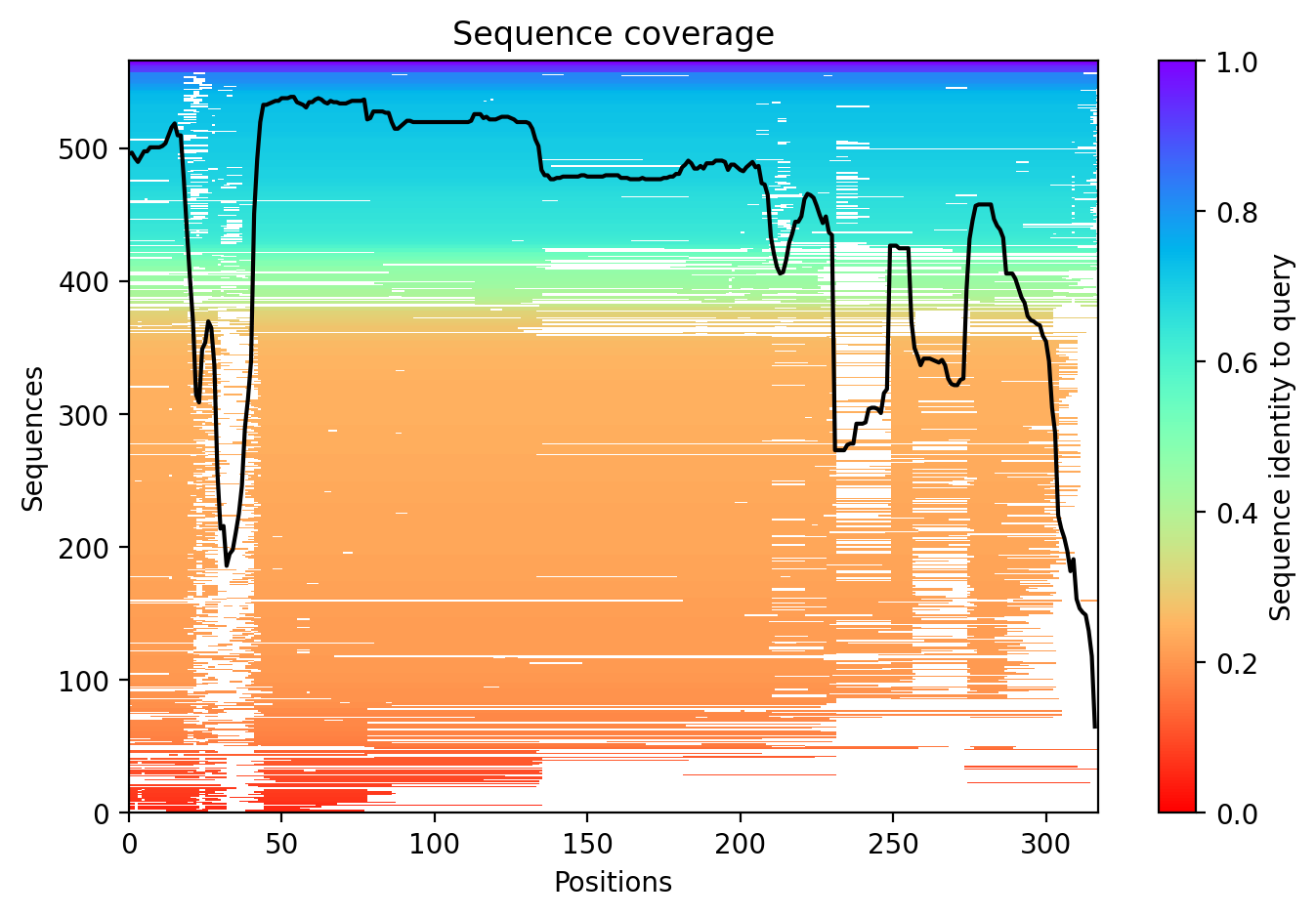
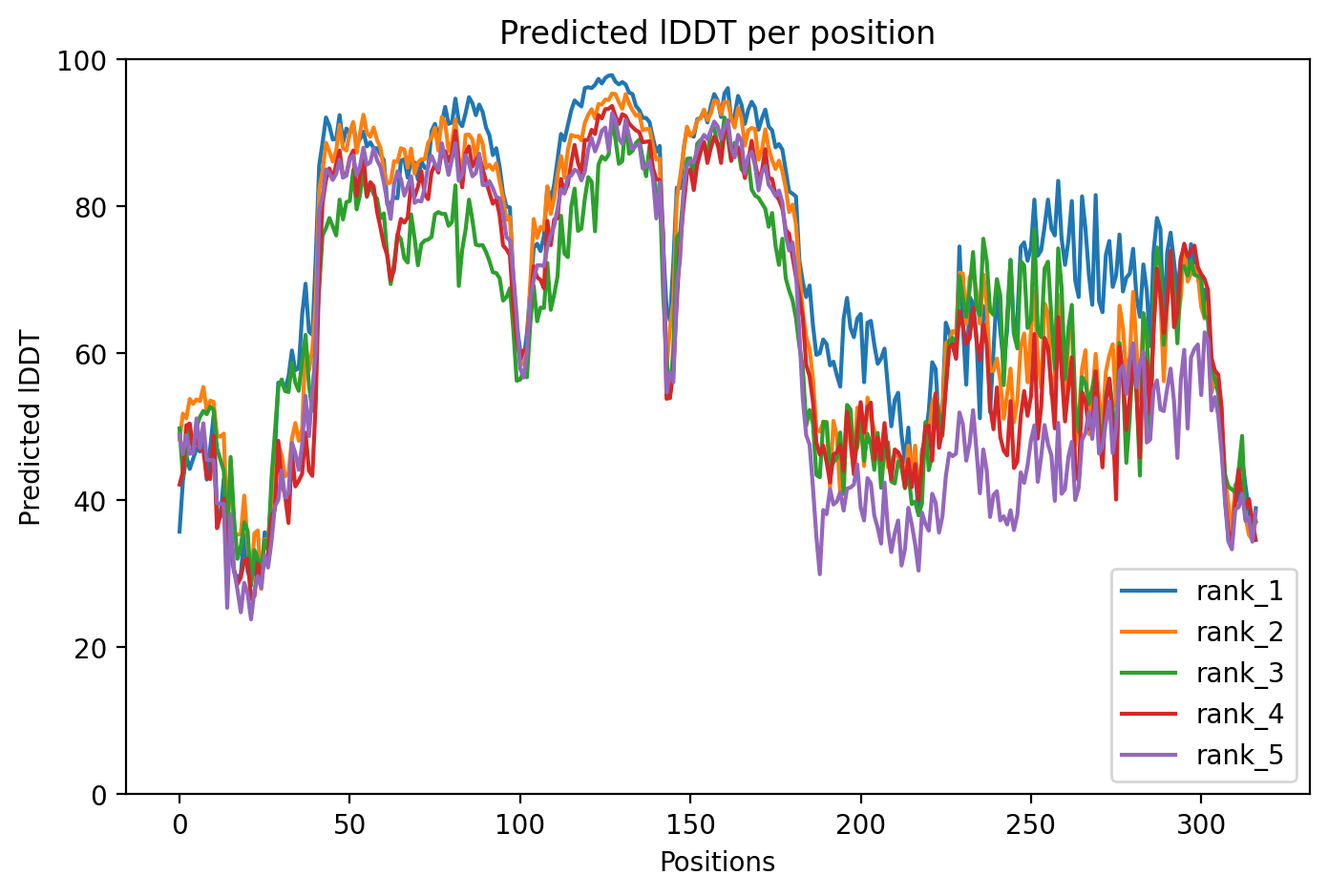
APOE is a cholesterol-transport protein that plays a central role in Alzheimer's disease risk, with the common APOE4 variant being the strongest genetic risk factor for late-onset disease. This study examined the C112R variant using AlphaFold2 structure prediction, achieving moderate confidence (average pLDDT 71.9), which suggests some structural predictions are reliable while others require experimental validation. The C112R mutation replaces a cysteine with arginine at position 112, potentially disrupting structural stability in a protein already known to have isoform-dependent differences in folding and function.
Detailed Analysis
Works Cited
Similar Research
03/Research Data
ClinVar Classification
Not found in ClinVar
Population Frequency
No population data available
Disease Associations
3040 totalShowing 5 of 3040 associations
AI Research Brief
04/AlphaFold Metrics

05/Domain Annotations
Structural Domains & Regions
Functional Sites
Binding Partners
Gene Ontology
06/Structural Caption
Structured caption not yet generated. Check back after the next fold analysis.
07/Peptide Therapeutics
Aggregation Analysis
Aggregation propensity analysis identifies 1 hotspots (average score: 0.02) using Pawar+KyteDoolittle+charge algorithm.
08/Known Inhibitors
No known inhibitors found. Run peptide agent to search literature.
09/Candidate Peptides
De Novo Peptide Design Pipeline
Pipeline: BoltzGen (de novo binder design) → Boltz-2 rescore → 8-gate wetlab filter → PK + BBB advisory gates. Target site selected from UniProt curated annotations, P2Rank pocket prediction, and aggregation propensity (in that priority order). Advisory gates annotate each candidate with estimated serum half-life, renal/immunogenicity risk, and (for CNS targets) a recommended blood-brain-barrier shuttle conjugation — without silently dropping designs.
Loading candidate statistics...
Sequences are withheld pending IP review. Full candidate data (sequences,
scores, CIF files) is available to authorized reviewers via the
/api/private/candidates/{fold_id} endpoint with
X-Private-Key.
Legacy candidates (charge-complementary)
Target Region
Residues 6–10 (0.64 aggregation score)Candidate ID
CP-APOE-001
(7 residues · computational design)
10/Agent Findings
Literature Agent (1)
These papers are highly relevant for understanding APOE variants in AD as they examine APOE's genetic interactions with other risk/protective variants (PLCG2, TREM2), its effects on brain lipidome and neuropathology, and its role in patient stratification and disease progression. While none specifically address the C112R variant, they provide crucial context for APOE genotype effects on AD pathology, protective genetic modifiers, and biomarker profiles that would inform interpretation of any APOE variant's pathogenic mechanisms.
Clinical Agent (1)
No summary available
Structural Agent (1)
AlphaFold structure update: Baseline check: 1 structure(s) found
Supplements Agent (1)
Found 36 clinical trials for APOE C112R (20 recruiting). Also found 20 relevant preprints.
Synthesis Agent (1)
Synthesis of 5 findings (clinical, literature, peptides, structural, supplements): The APOE C112R variant (APOE4) continues to be a critical focus in Alzheimer's disease research, wit...
Peptide Agent (1)
APOE C112R: 1 candidate peptides designed