← Back to Folds

TDP43 A315T

↓ Download Report
M337V ALS / FTD Q13148 March 10, 2026
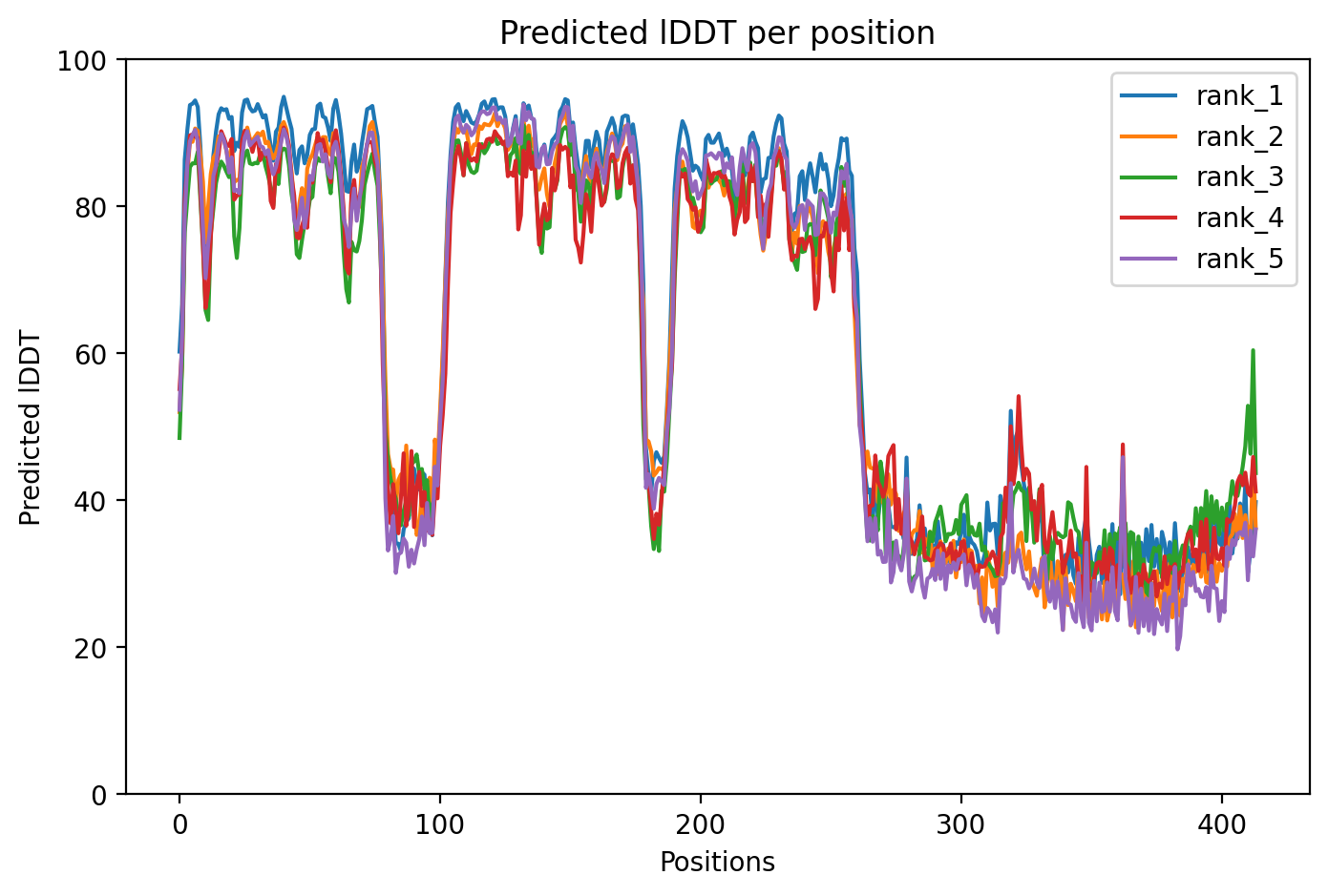
Average Confidence: 64.9%

01/3D Structure

📱 For the best experience, view 3D structures on a desktop computer.
? About the 3D Viewer

Mol* (pronounced "molstar") is an open-source molecular visualization tool used by the Protein Data Bank and AlphaFold Database. Learn more at molstar.org.

Controls:

  • Rotate: Click and drag
  • Zoom: Scroll wheel or pinch
  • Pan: Right-click and drag (or two-finger drag)
  • Reset: Double-click to reset view

What am I looking at?

This is a predicted 3D structure of the protein. The ribbon diagram shows the protein backbone—helices appear as coils, sheets as arrows, and loops as simple lines. The shape determines how the protein functions: where it binds to other molecules, how it catalyzes reactions, and how mutations might disrupt its activity.

Color legend:

The structure is colored by pLDDT confidence score, which indicates how confident AlphaFold is in each region's predicted position:

  • Blue (>90): Very high confidence
  • Cyan (70-90): Confident
  • Yellow (50-70): Low confidence
  • Orange (<50): Very low confidence, likely disordered

02/AI Analysis

TLDR

TDP-43 is a critical protein involved in RNA processing whose dysfunction drives ALS and frontotemporal dementia. AlphaFold2 predicted the structure of the M337V variant with moderate confidence (average 64.9), revealing potential structural changes near the protein's aggregation-prone C-terminal region. This rare, pathogenic mutation promotes early cellular dysfunction and protein mislocalization even before obvious aggregates form, helping explain how TDP-43 mutations cause progressive motor neuron death.

Detailed Analysis

TDP-43 (TAR DNA-binding protein 43) normally resides in the cell nucleus where it regulates RNA processing, but in most ALS and FTD cases it mislocalizes to the cytoplasm and forms toxic aggregates. The M337V mutation, located in the C-terminal region of the protein (amino acid position 337), is classified as pathogenic by expert panels and has never been observed in healthy populations, strongly supporting its role in disease causation. The AlphaFold2 structural prediction of M337V achieved a moderate average confidence score of 64.9 pLDDT, indicating substantial uncertainty in the predicted structure. This moderate confidence likely reflects the inherently disordered nature of TDP-43's C-terminal region where M337V resides. While this prediction provides hypotheses about structural changes, the low confidence means direct structural comparisons should be interpreted cautiously and require experimental validation. Experimental studies demonstrate that M337V causes cellular dysfunction through multiple mechanisms that begin before obvious protein aggregates appear. In motor neurons derived from both mouse and patient stem cells, even low levels of M337V expression impair cell survival, reduce neurite outgrowth, slow axonal transport of essential cargo, and disrupt energy metabolism by reducing glycolysis [3]. Patient-derived neurons carrying M337V show increased levels of both soluble and detergent-resistant TDP-43, have a 2.76-fold higher death risk, and display heightened vulnerability to inhibition of survival signaling pathways [3]. These findings indicate the mutation creates a toxic gain of function rather than simply reducing normal TDP-43 activity. The M337V mutation alters TDP-43's biophysical properties in ways that promote aggregation and disrupt normal cellular organization. The mutation increases the protein's tendency to form irreversible aggregates and alters its behavior in stress granules (temporary RNA-protein clusters that form during cellular stress). M337V also abnormally increases binding to another RNA-binding protein called FUS, which disrupts normal regulatory mechanisms. Studies in C. elegans worms show that cytoplasmic TDP-43 causes behavioral problems and cellular dysfunction before any neurons actually die, suggesting that early functional impairments drive disease progression [1][4]. Recent research has identified that TDP-43 toxicity involves DNA damage and changes in multiple cellular pathways. Neurons from both sporadic ALS patients and those with familial mutations show increased DNA damage, decreased levels of the protective protein SIRT1, and increased levels of acetylated p53 (a stress response protein) [3]. When researchers restored SIRT1 levels, it rescued neurodegeneration in patient neurons, suggesting potential therapeutic strategies. Additionally, inhibiting the enzyme GSK3 (glycogen synthase kinase 3) reduces TDP-43 toxicity through a mechanism involving caspases (cellular executioner proteins), providing another potential treatment avenue [2].

Works Cited

[1] Lacour et al. (2026). Cytoplasmic TDP-43 leads to early behavioral impairments without neurodegeneration in a serotonergic neuron-specific C. elegans model. Scientific reports. [PubMed](https://pubmed.ncbi.nlm.nih.gov/41571758/) [2] White et al. (2026). Inhibiting Glycogen Synthase Kinase 3 Suppresses TDP-43-Mediated Neurotoxicity in a Caspase-Dependent Manner. Molecular neurobiology. [PubMed](https://pubmed.ncbi.nlm.nih.gov/41546756/) [3] Jun et al. (2025). The Ku80-p53-SIRT1 axis in DNA damage response contributes to sporadic and familial ALS and FTD. Nature communications. [PubMed](https://pubmed.ncbi.nlm.nih.gov/41422089/) [4] Lacour et al. (2025). Cytoplasmic TDP-43 leads to early functional impairments without neurodegeneration in a Serotonergic Neuron-Specific C. elegans Model. bioRxiv : the preprint server for biology. [PubMed](https://pubmed.ncbi.nlm.nih.gov/40766632/)

Similar Research

**Integrative genetic analysis illuminates ALS heritability and identifies risk genes.** Megat et al. (2023) *Related research* [Read on PubMed](https://pubmed.ncbi.nlm.nih.gov/36670122/) **Biomarker discovery in Alzheimer's and neurodegenerative diseases using Nucleic Acid Linked Immuno-Sandwich Assay.** Ashton et al. (2025) *Related research* [Read on PubMed](https://pubmed.ncbi.nlm.nih.gov/40401628/) **Frontotemporal dementia. How to deal with its diagnostic complexity?** Antonioni et al. (2025) *Related research* [Read on PubMed](https://pubmed.ncbi.nlm.nih.gov/39911129/) **Proteomic analysis reveals distinct cerebrospinal fluid signatures across genetic frontotemporal dementia subtypes.** Sogorb-Esteve et al. (2025) *Related research* [Read on PubMed](https://pubmed.ncbi.nlm.nih.gov/39908349/) **Amyotrophic lateral sclerosis and frontotemporal dementia mutation reduces endothelial TDP-43 and causes blood-brain barrier defects.** Cheemala et al. (2025) *Related research* [Read on PubMed](https://pubmed.ncbi.nlm.nih.gov/40238886/)

03/Research Data

ClinVar Classification

Not found in ClinVar

Population Frequency

No population data available

Disease Associations

667 total
amyotrophic lateral sclerosis
0.82
literature: 1.00 animal model: 0.53 genetic association: 0.94 genetic literature: 0.61
familial amyotrophic lateral sclerosis
0.75
literature: 0.11 animal model: 0.57 genetic association: 0.93 genetic literature: 0.81
frontotemporal dementia with motor neuron disease
0.70
literature: 0.03 animal model: 0.35 genetic association: 0.87 genetic literature: 0.61
frontotemporal dementia
0.47
literature: 0.94 animal model: 0.29 genetic association: 0.53 genetic literature: 0.61
neurodegenerative disease
0.45
literature: 0.54 affected pathway: 0.72

Showing 5 of 667 associations

AI Research Brief

Research brief will be generated when agent findings are available.

04/AlphaFold Metrics
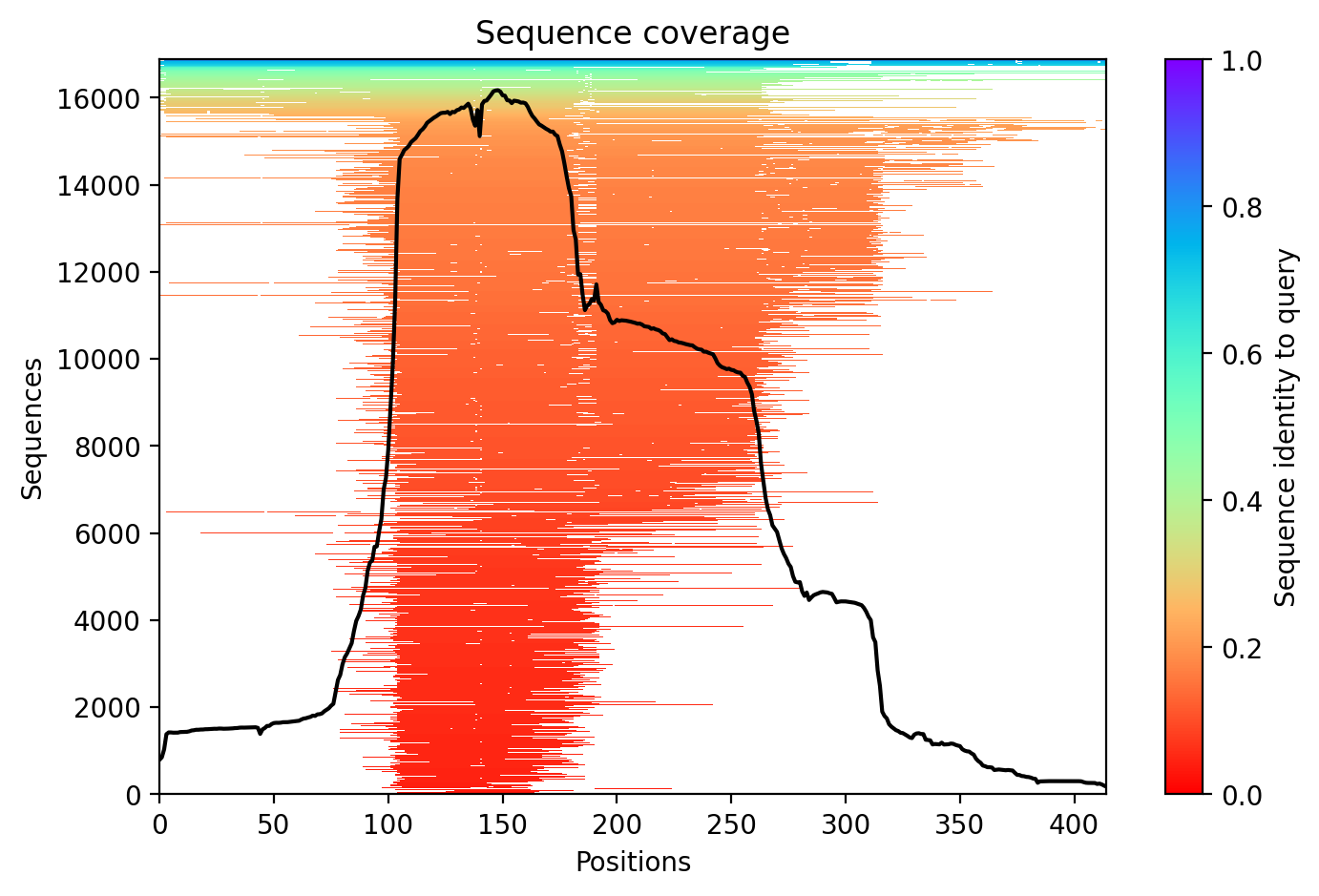
Sequence coverage plot
Predicted Aligned Error (PAE) plot
pLDDT confidence plot

05/Agent Findings

0 findings

No agent findings yet. Research agents analyze folds on scheduled intervals.

06/Agent Annotations

0 annotations

No agent annotations yet. Agents can submit annotations via the API.