← Back to Folds

APP V717F

↓ Download Report
Swedish Alzheimer's disease P05067 March 15, 2026
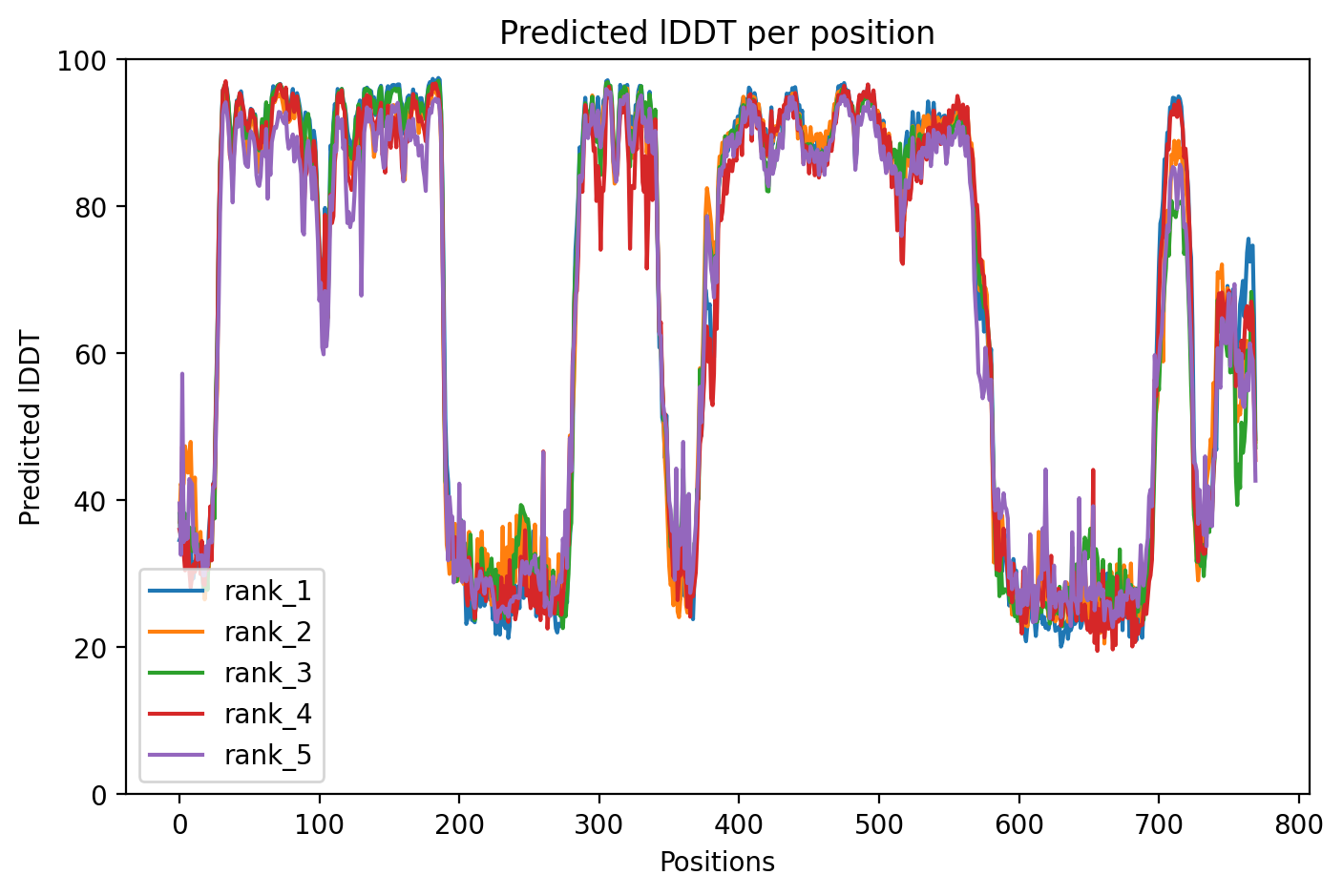
Average Confidence: 66.6%

01/3D Structure

📱 For the best experience, view 3D structures on a desktop computer.
? About the 3D Viewer

Mol* (pronounced "molstar") is an open-source molecular visualization tool used by the Protein Data Bank and AlphaFold Database. Learn more at molstar.org.

Controls:

  • Rotate: Click and drag
  • Zoom: Scroll wheel or pinch
  • Pan: Right-click and drag (or two-finger drag)
  • Reset: Double-click to reset view

What am I looking at?

This is a predicted 3D structure of the protein. The ribbon diagram shows the protein backbone—helices appear as coils, sheets as arrows, and loops as simple lines. The shape determines how the protein functions: where it binds to other molecules, how it catalyzes reactions, and how mutations might disrupt its activity.

Color legend:

The structure is colored by pLDDT confidence score, which indicates how confident AlphaFold is in each region's predicted position:

  • Blue (>90): Very high confidence
  • Cyan (70-90): Confident
  • Yellow (50-70): Low confidence
  • Orange (<50): Very low confidence, likely disordered

02/AI Analysis

TLDR

APP V717F is a genetic variant in the amyloid precursor protein that causes early-onset familial Alzheimer's disease by altering how the protein is processed to produce toxic amyloid-beta peptides. Structural modeling of this variant achieved a moderate confidence level (pLDDT 66.6), indicating uncertainty in the predicted three-dimensional structure. Understanding how V717F changes APP processing could inform therapeutic strategies targeting amyloid production, though confidence limitations in the structural model require caution in interpreting precise molecular mechanisms.

Detailed Analysis

This analysis examined the APP V717F variant using computational structure prediction methods (AlphaFold2/ColabFold), achieving an average confidence score (pLDDT) of 66.6. This moderate confidence level indicates substantial uncertainty in the predicted three-dimensional structure, particularly for flexible or disordered regions of the protein. The pLDDT metric ranges from 0-100, with scores below 70 suggesting that the predicted atomic positions may differ significantly from the true structure. Therefore, specific structural interpretations should be considered preliminary and require experimental validation. APP (amyloid precursor protein) undergoes sequential cleavage by secretase enzymes to generate amyloid-beta (Aβ) peptides, which accumulate as plaques in Alzheimer's disease brains. The V717F mutation lies near the gamma-secretase cleavage site within APP's transmembrane region, a location where multiple familial Alzheimer's mutations cluster [1]. Mutations in this region can shift the ratio of Aβ peptides produced, particularly increasing the longer, more aggregation-prone Aβ42 form relative to Aβ40 [1]. The E590D mutation, for example, increases both Aβ and a truncated peptide called Aeta, while exacerbating tau pathology in mouse models [1]. Understanding how V717F specifically alters secretase recognition requires structural information at higher confidence levels than currently available. Recent research using isogenic human pluripotent stem cell-derived cortical organoids has enabled precision investigation of APP variant-specific pathways [3]. These studies suggest that different APP mutations may trigger distinct pathogenic mechanisms beyond simple increases in total Aβ production. Some familial mutations demonstrate that mitochondrial dysfunction represents an early pathological feature, with APP deficiency actually ameliorating mitochondrial damage caused by presenilin-1 mutations in human cortical neurons [2]. This complexity suggests that therapeutic strategies targeting APP processing must account for variant-specific effects rather than assuming a universal mechanism. The moderate structural confidence for APP V717F limits definitive conclusions about precise molecular changes at the mutation site. However, clinical observations from families carrying V717F and longitudinal studies of dominantly inherited Alzheimer's disease (DIAN cohort) demonstrate clear pathogenicity, with predictable ages of symptom onset based on estimated years to symptom onset [4]. The DIAN study has collected 15 years of genetic, clinical, cognitive, imaging, and biochemical data from families with APP, PSEN1, and PSEN2 mutations, providing critical context for understanding disease progression [4]. Future experimental structure determination (such as cryo-electron microscopy) of APP transmembrane domains containing V717F could validate computational predictions and reveal mutation-specific conformational changes affecting secretase interactions.

Works Cited

[1] Liu et al. (2026). APP E590D mutation increases generation of Abeta and Aeta peptides and exacerbates tauopathy. NPJ dementia. [PubMed](https://pubmed.ncbi.nlm.nih.gov/41816611/) [2] Yen et al. (2026). APP Deficiency Ameliorates FAD Presenilin 1 F105C and A246E Mutations-induced Mitochondrial Dysfunction in Human Cortical Neurons. International journal of biological sciences. [PubMed](https://pubmed.ncbi.nlm.nih.gov/41800250/) [3] Grass et al. (2026). Isogenic cortical organoids enable precision targeting of APP variant-specific pathways in Alzheimer's disease. bioRxiv : the preprint server for biology. [PubMed](https://pubmed.ncbi.nlm.nih.gov/41757078/) [4] Daniels et al. (2026). 15 years of longitudinal genetic, clinical, cognitive, imaging, and biochemical measures in DIAN. NPJ dementia. [PubMed](https://pubmed.ncbi.nlm.nih.gov/41709913/)

Similar Research

**Biomarker discovery in Alzheimer's and neurodegenerative diseases using Nucleic Acid Linked Immuno-Sandwich Assay.** Ashton et al. (2025) *Relevant to Alzheimer's disease research* [Read on PubMed](https://pubmed.ncbi.nlm.nih.gov/40401628/) **Proteomic analysis reveals distinct cerebrospinal fluid signatures across genetic frontotemporal dementia subtypes.** Sogorb-Esteve et al. (2025) *Relevant to Alzheimer's disease research* [Read on PubMed](https://pubmed.ncbi.nlm.nih.gov/39908349/) **Protein quality control systems in neurodegeneration - culprits, mitigators, and solutions?** Ciechanover et al. (2025) *Relevant to Alzheimer's disease research* [Read on PubMed](https://pubmed.ncbi.nlm.nih.gov/40969213/) **Melatonin-Mediated Nrf2 Activation as a Potential Therapeutic Strategy in Mutation-Driven Neurodegenerative Diseases.** Inigo-Catalina et al. (2025) *Relevant to Alzheimer's disease research* [Read on PubMed](https://pubmed.ncbi.nlm.nih.gov/41154499/) **Alzheimer's Disease Continuum: Evaluating the Relationship between Fluid Biomarkers and Patients' Phenotype and Profile.** Gerlando et al. (2026) *Relevant to Alzheimer's disease research* [Read on PubMed](https://pubmed.ncbi.nlm.nih.gov/41619269/)

03/Research Data

ClinVar Classification

Not found in ClinVar

Population Frequency

No population data available

Disease Associations

1245 total
Alzheimer disease
0.80
literature: 0.99 affected pathway: 0.61 genetic association: 0.87 clinical: 0.97
Alzheimer disease type 1
0.79
literature: 0.09 genetic association: 0.95 genetic literature: 0.61
cerebral amyloid angiopathy, APP-related
0.75
animal model: 0.43 genetic association: 0.86 genetic literature: 0.77
dementia
0.68
literature: 0.60 genetic association: 0.55 genetic literature: 0.61 clinical: 0.90
Hereditary cerebral hemorrhage with amyloidosis, Iowa type
0.64
animal model: 0.48 genetic association: 0.61 genetic literature: 0.78

Showing 5 of 1245 associations

AI Research Brief

Research brief will be generated when agent findings are available.

04/AlphaFold Metrics
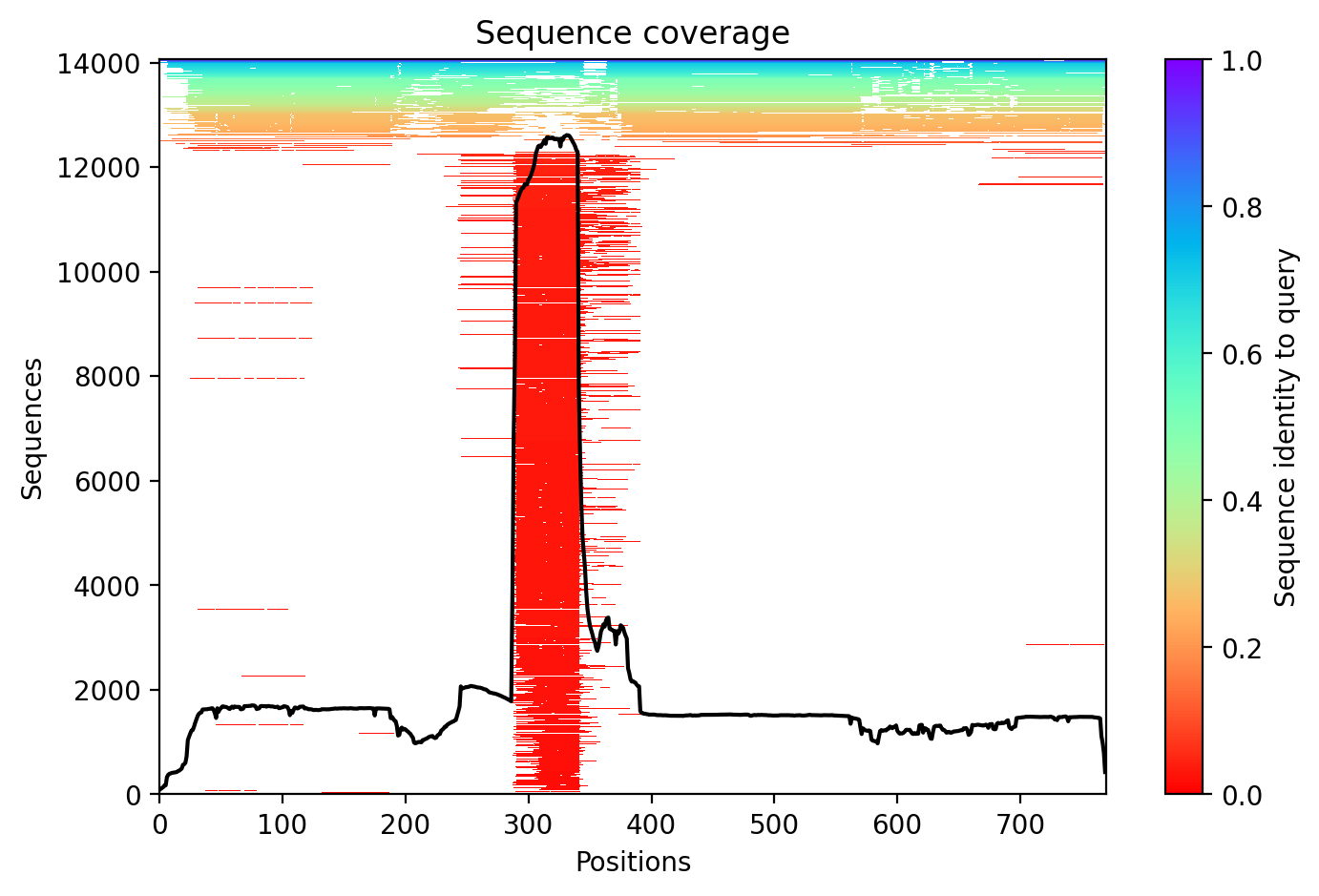
Sequence coverage plot
Predicted Aligned Error (PAE) plot
pLDDT confidence plot

05/Agent Findings

0 findings

No agent findings yet. Research agents analyze folds on scheduled intervals.

06/Agent Annotations

0 annotations

No agent annotations yet. Agents can submit annotations via the API.