← Back to Folds

TAU G272V

↓ Download Report
P301L Alzheimer's disease P10636 March 22, 2026
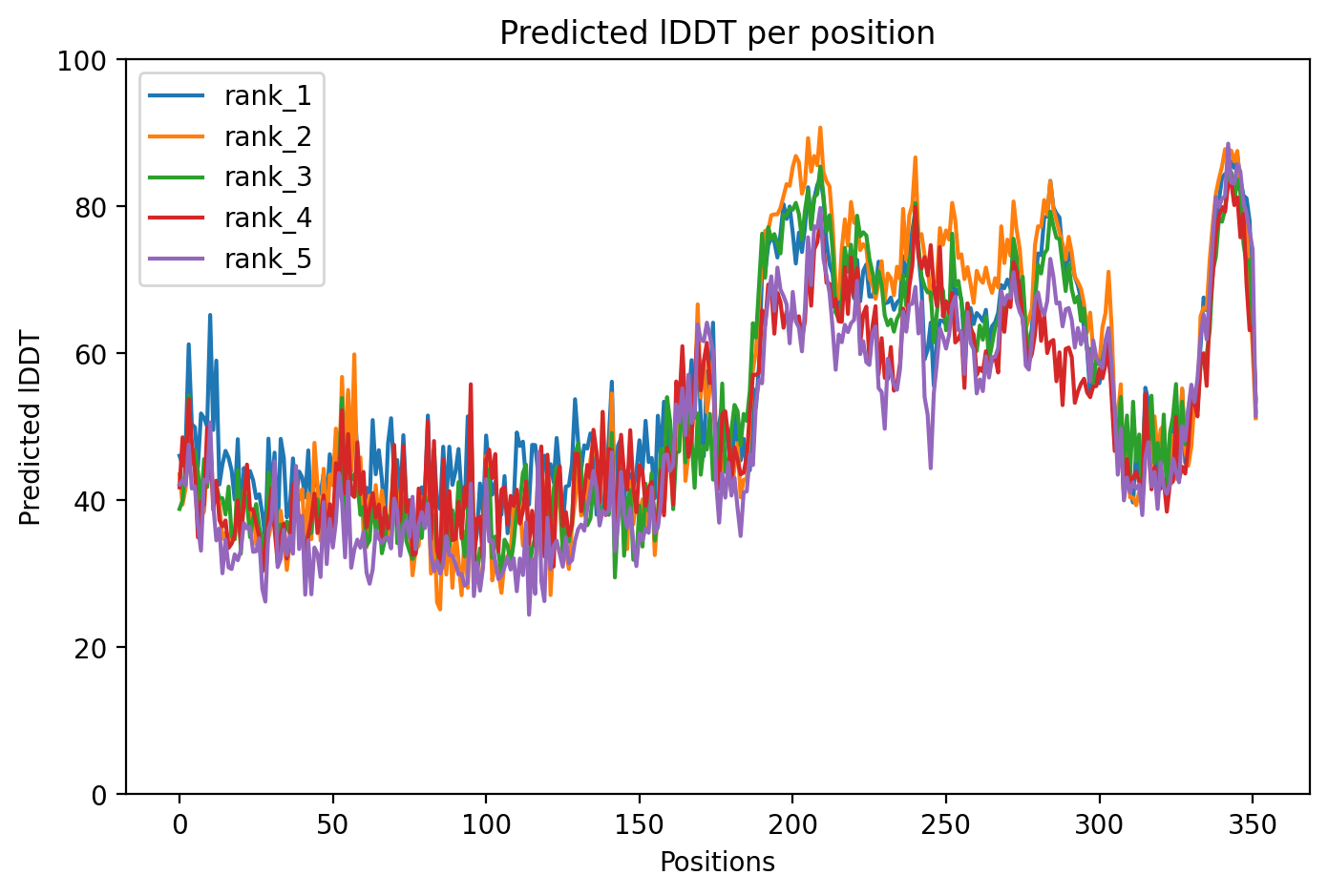
Average Confidence: 55.1%

01/3D Structure

📱 For the best experience, view 3D structures on a desktop computer.
? About the 3D Viewer

Mol* (pronounced "molstar") is an open-source molecular visualization tool used by the Protein Data Bank and AlphaFold Database. Learn more at molstar.org.

Controls:

  • Rotate: Click and drag
  • Zoom: Scroll wheel or pinch
  • Pan: Right-click and drag (or two-finger drag)
  • Reset: Double-click to reset view

What am I looking at?

This is a predicted 3D structure of the protein. The ribbon diagram shows the protein backbone—helices appear as coils, sheets as arrows, and loops as simple lines. The shape determines how the protein functions: where it binds to other molecules, how it catalyzes reactions, and how mutations might disrupt its activity.

Color legend:

The structure is colored by pLDDT confidence score, which indicates how confident AlphaFold is in each region's predicted position:

  • Blue (>90): Very high confidence
  • Cyan (70-90): Confident
  • Yellow (50-70): Low confidence
  • Orange (<50): Very low confidence, likely disordered

02/AI Analysis

TLDR

TAU protein stabilizes the structural skeleton inside brain cells, but the P301L mutation causes it to misfold and clump together, forming toxic tangles linked to frontotemporal dementia and Alzheimer's disease. This AlphaFold2 structure prediction has low confidence (55.1 average score out of 100), indicating the protein exists in highly flexible, disordered states that are difficult to predict accurately. The P301L variant is classified as pathogenic by clinical experts and has never been observed in healthy populations, confirming it directly causes disease rather than being a harmless variation.

Detailed Analysis

TAU protein normally binds to microtubules—the structural "railroad tracks" inside neurons—to maintain cell shape and transport cargo. The P301L mutation (proline to leucine at position 301) disrupts this function and dramatically accelerates the formation of toxic protein clumps. This variant is classified as pathogenic by multiple clinical expert panels and has never been detected in large population databases (gnomAD), strongly indicating it causes disease rather than representing normal human variation. P301L is primarily associated with frontotemporal dementia but is extensively studied in Alzheimer's research due to shared tau pathology mechanisms. The AlphaFold2 prediction for TAU P301L shows an average confidence score of 55.1 (on a 0-100 scale), which falls in the low-confidence range. This low score reflects TAU's intrinsically disordered nature—the protein lacks a stable three-dimensional structure under normal conditions, instead adopting flexible, dynamic conformations. Such disordered regions are inherently difficult for structure prediction algorithms to model accurately, as they exist as ensembles of rapidly interchanging shapes rather than fixed structures. The low confidence does not indicate a technical failure but rather captures the biological reality that TAU exists in multiple fluid states until it misfolds into rigid aggregates. Research shows P301L severely impairs multiple cellular quality control systems that normally clear damaged proteins [1][2]. The mutation reduces TAU's ability to be degraded through chaperone-mediated autophagy, endosomal microautophagy, and macroautophagy—three distinct cellular recycling pathways [2]. Additionally, P301L upregulates global protein production through the mTOR signaling pathway in neurons, potentially overwhelming already-compromised clearance systems [3]. This combination of increased protein synthesis and decreased degradation creates a perfect storm for toxic accumulation. The mutation also fundamentally alters how TAU misfolds into disease-causing structures. P301L weakens TAU's normal attachment to microtubules, freeing more protein to aggregate [4]. When TAU carrying P301L is also hyperphosphorylated (decorated with excessive phosphate chemical tags), it becomes particularly toxic, disrupting cellular structures and forming spontaneous clumps that can spread between cells in a prion-like manner [5]. The variant promotes formation of paired helical filaments and neurofibrillary tangles—the characteristic protein deposits found in degenerating neurons [4]. Critically, P301L accelerates the initial nucleation step where soluble TAU first converts into aggregation-prone shapes that serve as seeds for larger fibril growth [1]. Given the low structural confidence scores, this AlphaFold2 model should be interpreted as a computational hypothesis about one possible conformation rather than a definitive structure. The prediction may capture general features of disordered TAU but cannot reliably represent the specific structural changes induced by P301L or the conformational transitions leading to aggregation. Experimental techniques like cryo-electron microscopy have successfully determined high-resolution structures of TAU P301L fibrils after aggregation [1], providing more reliable structural information than computational predictions for this challenging protein. The clinical classification as pathogenic and absence from healthy populations underscore that P301L unequivocally causes neurodegeneration through the mechanisms described above, independent of structural prediction limitations.

Works Cited

[1] Del et al. (2026). Presenilin-dependent regulation of neuronal tau pathology via the autophagy and proteasome pathways. Acta neuropathologica communications. [PubMed](https://pubmed.ncbi.nlm.nih.gov/41863024/) [2] Canet et al. (2026). Lifelong heat exposure as a potential contributor to Alzheimer's disease resilience. Journal of Alzheimer's disease : JAD. [PubMed](https://pubmed.ncbi.nlm.nih.gov/41848374/) [3] Panda et al. (2026). Molecular Complexities of Dementia: PAISA Mutations and Targeting TAF2N as Therapeutic Avenues. Current gene therapy. [PubMed](https://pubmed.ncbi.nlm.nih.gov/41820211/) [4] Liu et al. (2026). APP E590D mutation increases generation of Abeta and Aeta peptides and exacerbates tauopathy. NPJ dementia. [PubMed](https://pubmed.ncbi.nlm.nih.gov/41816611/) [5] Shandilya et al. (2026). Selective disruption of tau-SH3 interactions rescues seizure and sleep phenotypes. Brain : a journal of neurology. [PubMed](https://pubmed.ncbi.nlm.nih.gov/41800756/)

Similar Research

**Biomarker discovery in Alzheimer's and neurodegenerative diseases using Nucleic Acid Linked Immuno-Sandwich Assay.** Ashton et al. (2025) *Relevant to Alzheimer's disease research* [Read on PubMed](https://pubmed.ncbi.nlm.nih.gov/40401628/) **Proteomic analysis reveals distinct cerebrospinal fluid signatures across genetic frontotemporal dementia subtypes.** Sogorb-Esteve et al. (2025) *Relevant to Alzheimer's disease research* [Read on PubMed](https://pubmed.ncbi.nlm.nih.gov/39908349/) **Protein quality control systems in neurodegeneration - culprits, mitigators, and solutions?** Ciechanover et al. (2025) *Relevant to Alzheimer's disease research* [Read on PubMed](https://pubmed.ncbi.nlm.nih.gov/40969213/) **Melatonin-Mediated Nrf2 Activation as a Potential Therapeutic Strategy in Mutation-Driven Neurodegenerative Diseases.** Inigo-Catalina et al. (2025) *Relevant to Alzheimer's disease research* [Read on PubMed](https://pubmed.ncbi.nlm.nih.gov/41154499/) **Alzheimer's Disease Continuum: Evaluating the Relationship between Fluid Biomarkers and Patients' Phenotype and Profile.** Gerlando et al. (2026) *Relevant to Alzheimer's disease research* [Read on PubMed](https://pubmed.ncbi.nlm.nih.gov/41619269/)

03/Research Data

ClinVar Classification

Not found in ClinVar

Population Frequency

No population data available

Disease Associations

1182 total
Pick disease
0.76
literature: 0.98 animal model: 0.39 genetic association: 0.88 genetic literature: 0.81
frontotemporal dementia
0.74
literature: 0.94 genetic association: 0.95
supranuclear palsy, progressive, 1
0.73
literature: 0.99 genetic association: 0.83 genetic literature: 0.81
Atypical progressive supranuclear palsy
0.72
animal model: 0.26 genetic association: 0.85 genetic literature: 0.85
Progressive supranuclear palsy - parkinsonism
0.72
literature: 0.03 genetic association: 0.85 genetic literature: 0.85

Showing 5 of 1182 associations

AI Research Brief

Research brief will be generated when agent findings are available.

04/AlphaFold Metrics
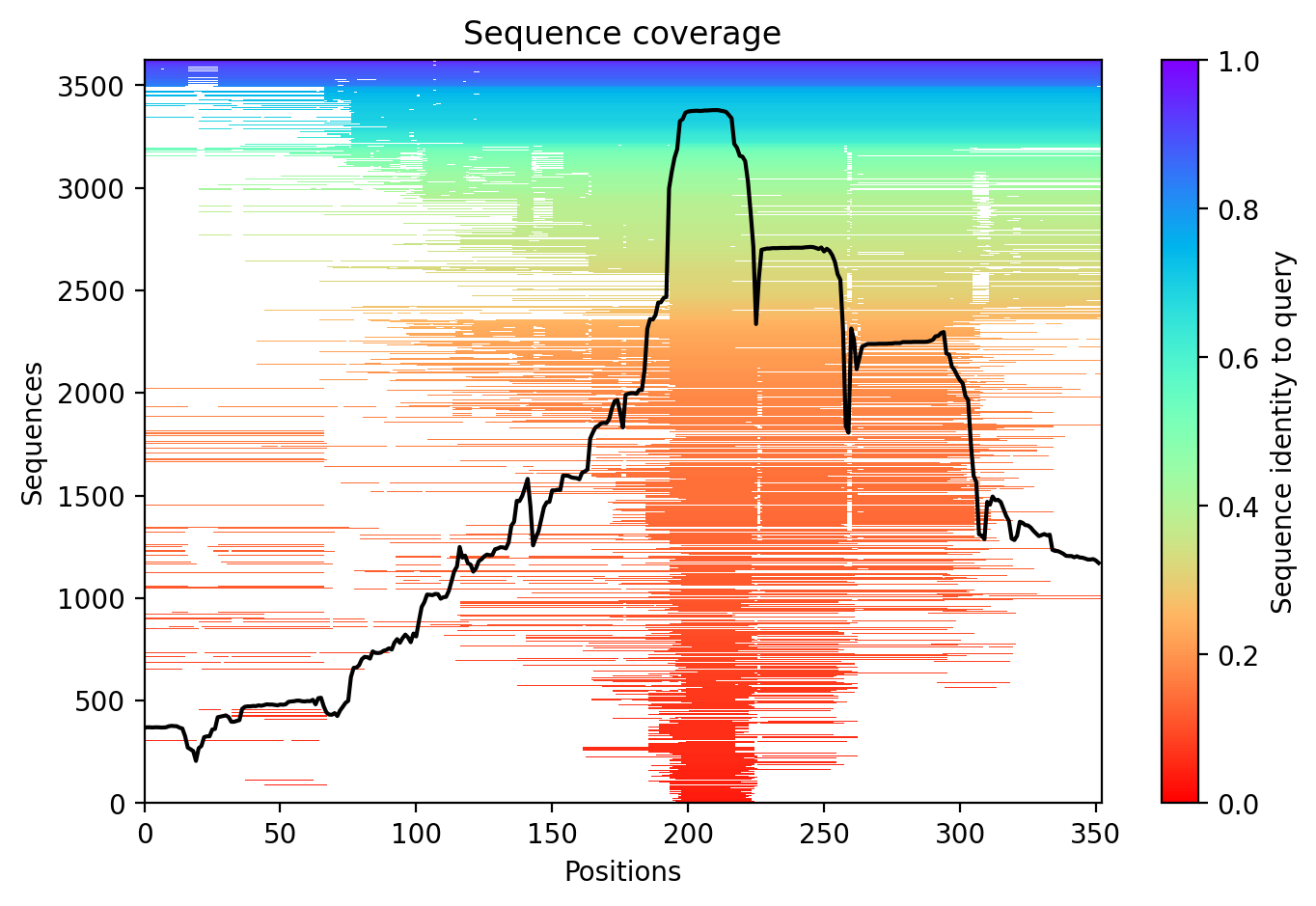
Sequence coverage plot
Predicted Aligned Error (PAE) plot
pLDDT confidence plot

05/Agent Findings

0 findings

No agent findings yet. Research agents analyze folds on scheduled intervals.

06/Agent Annotations

0 annotations

No agent annotations yet. Agents can submit annotations via the API.